BISP Ever Married Condition Removed 2026 – What Changes for Women Beneficiaries
What the BISP Ever Married Condition Removed 2026 News Means
The bisp ever married condition removed 2026 news is one of the most important BISP updates of this year, because it concerns who can be the payee of a Benazir Kafaalat household. If you want the background first, read our guide on Benazir Kafaalat 2026, the Rs 14,500 quarterly payment, because the ever-married rule was part of how Kafaalat payees were chosen.
Check Now on the Official 8171 Portal
First, an honest clarification about the source. According to a Press Information Department release dated 29 October 2026, BISP told the First Lady, Bibi Asifa Bhutto Zardari, during her visit to BISP headquarters in Islamabad that the ever-married condition has been removed. At the time of writing, BISP has not yet published a separate notification or press release about this change on its own website, and no effective date or new rule wording has been made public. That means this article reports what the government release says, and you should confirm how it applies to your own household at your BISP tehsil office or through the official 8171 service before acting on it.
Under the old rule, the Kafaalat payment was made in the name of the ever-married woman of the household — a woman who is, or has been, married. Women who had never married could not be registered as the household payee, even if their household was poor and otherwise eligible. The reported removal of that condition is therefore presented as a step to reach women who were left out before, including never-married women in low-income households who had no ever-married woman to act as payee.
Why the BISP Ever Married Condition Removed 2026 Change Matters
For many households, the payee rule decided everything. Kafaalat pays Rs 14,500 per quarter for the October to December 2026 quarter, and the payment is made to the registered woman beneficiary after biometric verification. If a household had no ever-married woman — for example, a household headed by a young unmarried woman caring for younger siblings, or an elderly household where the only adult woman had never married — the family could be shut out of the programme even though its income and poverty score suggested it needed help. The bisp ever married condition removed 2026 change, if applied as reported, removes that barrier at the first step: the question becomes whether the household is poor and eligible under the survey, not whether its woman payee has ever been married.
It is important not to over-read the news. Removing the ever-married condition does not remove the other eligibility rules. A household must still be found eligible through the NSER survey, with a PMT poverty score at or below the cut-off of 32, and the registered woman must hold a valid CNIC and complete biometric verification. The change widens who can be the payee; it does not guarantee payment to every woman who applies, and it does not change the current quarterly amount of Rs 14,500.
What Was Announced on 29 October 2026
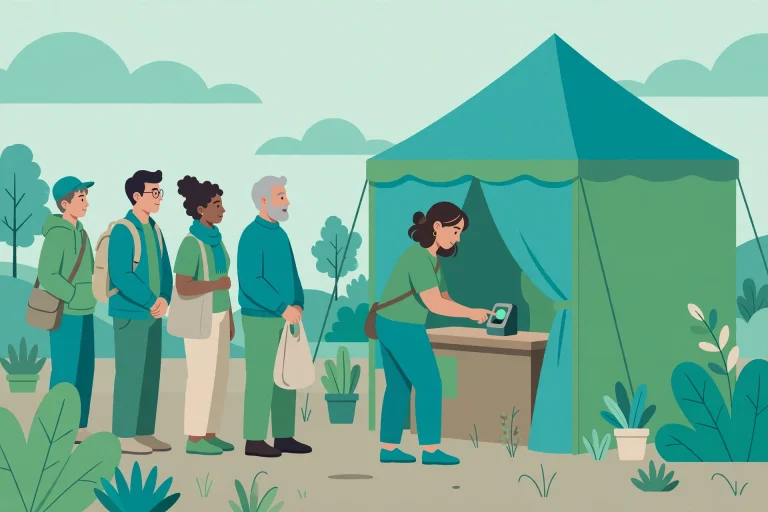
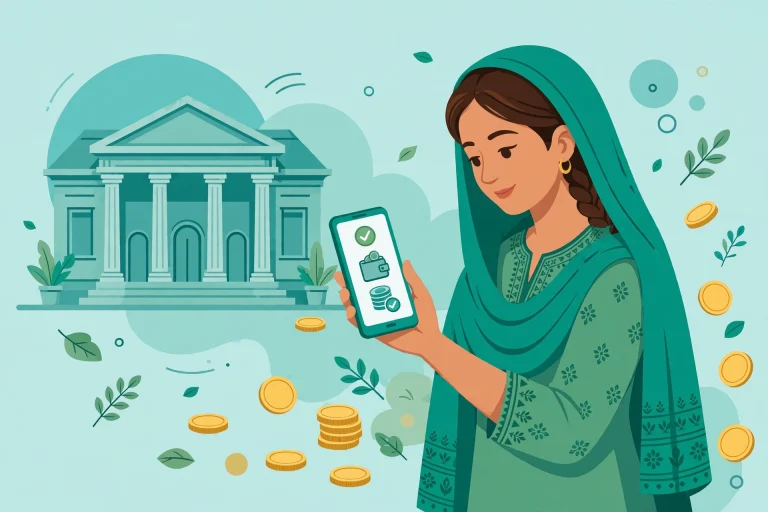
The 29 October 2026 briefing, reported in the government release, covered more than the payee rule. BISP also reported that 9.7 million Benazir SIMs are active and that 9.3 million beneficiaries have already transacted through CNIC-linked digital wallets. Those figures show how far the shift from campsite cash to wallet and bank payments has gone, and they matter for newly eligible women too: if the ever-married rule no longer blocks registration, the new payee will still need her own SIM registered in her name and a wallet or bank account set up through the BISP process, because that is how payments are now delivered.
What the release did not do is equally important. It did not state the date from which the change takes effect, it did not publish the new wording of the eligibility rule, and it did not explain how households that were previously rejected only because of the ever-married condition should re-apply. Until BISP publishes those details, tehsil office staff are the best source for what is actually being accepted in your district today. Do not pay any agent who claims they can “register you under the new rule” for a fee — BISP registration and surveys are always free.
Who May Benefit Now
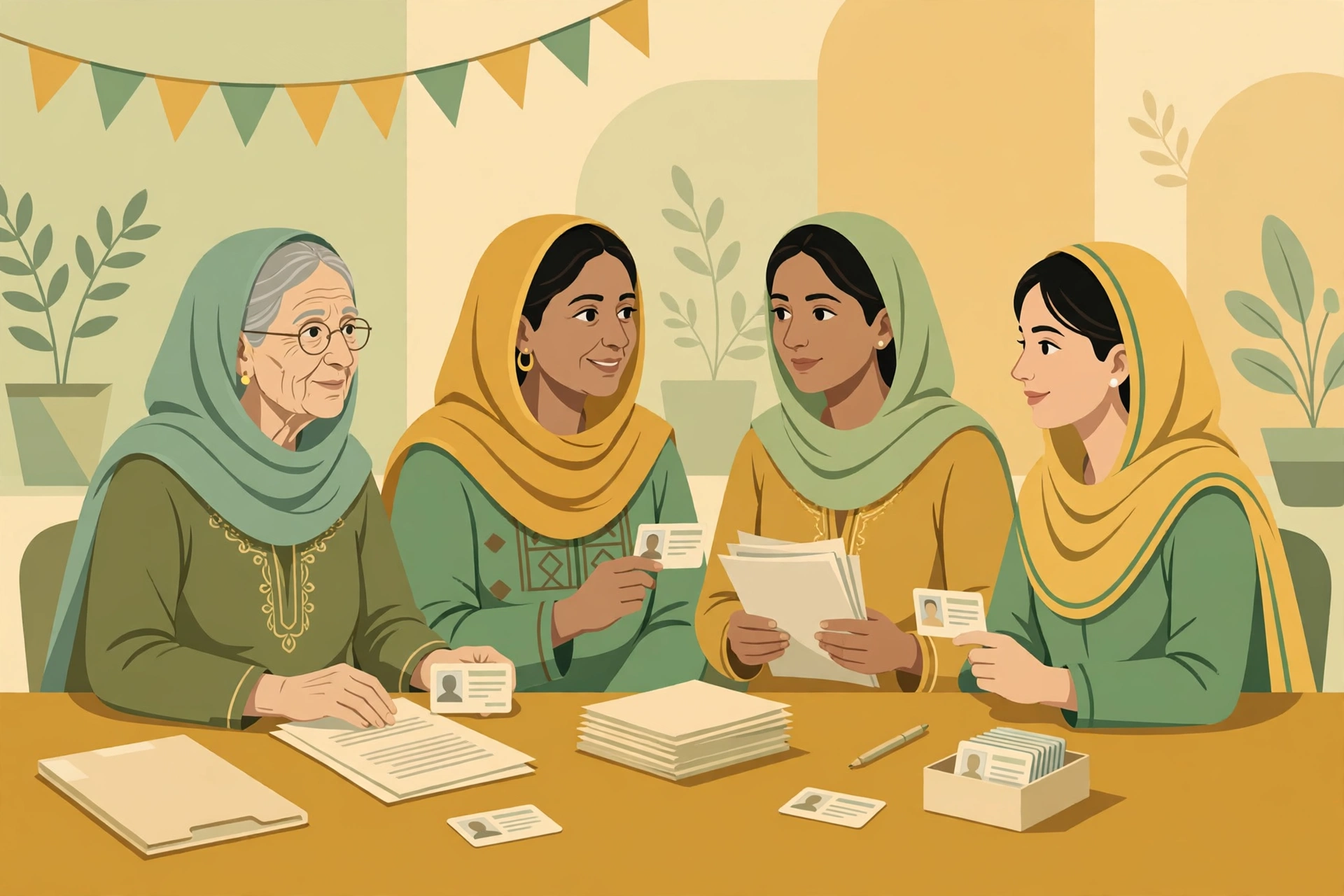
The women most likely to benefit are never-married women in low-income households who previously could not be the payee. This could include a young woman who is the main carer for her family, a woman living with elderly parents and no other adult woman in the house, or a household where the only ever-married woman has died or moved away. In each case, the household must still pass the survey and poverty-score test, so the practical question at the tehsil office will be about household income, assets and survey status, not only about marital status.
Widows, divorced women and elderly women remain eligible exactly as before, and nothing in the reported change reduces their entitlement. If you are already an active beneficiary, this change does not affect your current payment: your Rs 14,500 installment for this quarter continues under the same collection process, through your wallet, retailer or ATM after biometric verification.
What to Do If You Were Rejected Before
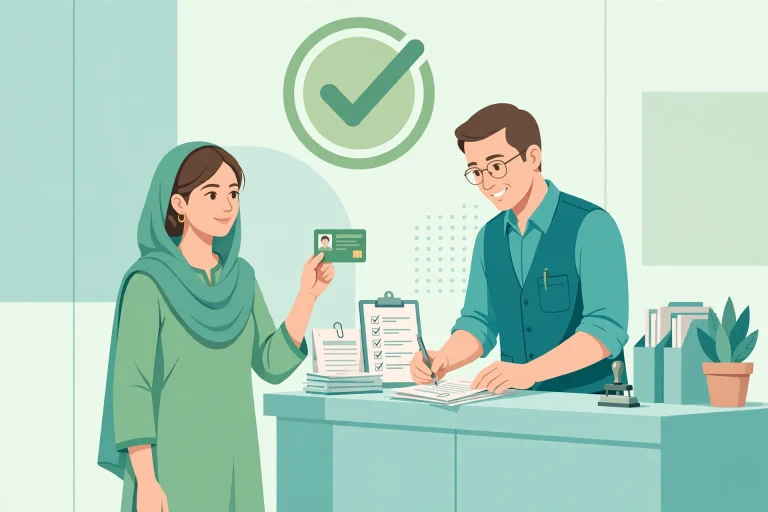
If your household was previously told it could not register because there was no ever-married woman, take these steps. First, check your household status by sending your CNIC to 8171 or on the official 8171 portal, so you know what BISP’s record currently shows. Second, visit your nearest BISP tehsil office with your original CNIC and ask specifically whether the ever-married condition has been removed for new registrations in your district and what documents are needed. Third, if a fresh survey is required, complete the free NSER dynamic survey and keep any receipt or reference the office gives you.
Be patient but persistent. A reported policy change and a change in the registration system are two different things: the system, the forms and the staff guidance all have to catch up, and that can take weeks. If the tehsil office says the old rule is still in force locally, ask them to note your visit and check again after the next update, rather than arguing or paying a middleman. Keep your CNIC valid, because an expired CNIC blocks biometric verification and payment whatever the payee rule says.
Scams to Avoid After This News
Every widely reported BISP change brings a wave of fraud, and this one is no different. Beware of SMS messages from numbers other than 8171 claiming you are “approved under the new rule” and asking for a fee or a PIN; of social media pages selling “new-rule registration forms”; and of agents who offer to add your name to the beneficiary list for cash. Genuine BISP messages come only from 8171, genuine registration is free at the tehsil office, and no one at BISP will ever ask for your PIN, your one-time code or a payment to release your installment.
If someone demands money, note their number and details and report them on the free BISP helpline 0800-26477 or at your tehsil office. Protect your CNIC copy and your SIM: your payment is linked to your CNIC and your own-name SIM, and anyone holding those details can try to divert your money.
Frequently Asked Questions
Has the ever-married condition really been removed? A government release dated 29 October 2026 says BISP reported the removal during a briefing to the First Lady. BISP has not yet published its own notification, so confirm the position at your tehsil office before treating it as settled for your household.
Does this mean every unmarried woman now gets Rs 14,500? No. The household must still pass the NSER survey and the PMT score cut-off, and the payee must hold a valid CNIC and complete biometric verification. The change widens who can be payee; it does not remove the poverty test.
Do I need to re-apply if I was rejected before? Visit your tehsil office with your original CNIC and ask whether a fresh survey or registration is needed under the new position. Registration is free, and you should get any reference the office issues.
Will my payment amount change? No. The current quarter pays Rs 14,500. Reports of a rise to Rs 18,000 relate to January 2027; confirm any change on the official portal before believing a forwarded message.
Disclaimer: This is an independent information website and is not the official BISP website. The ever-married rule change described here is reported from a government release dated 29 October 2026 and had not yet been published as a separate BISP notification at the time of writing. For verified information about your own case, always use the official 8171 portal, send your CNIC to 8171, call the free helpline 0800-26477, or visit your BISP tehsil office.