BISP Wallet Withdrawal Charges 2026 – Rs 280 Fee, Free Transfers & How to Avoid Extra Cuts
What You Actually Pay to Withdraw Your BISP Money
Bisp wallet withdrawal charges 2026 are one of the most searched questions among Benazir Kafaalat beneficiaries this month, because the answer decides how much of your Rs 14,500 installment actually reaches your hands. The short version is good news: withdrawing your BISP wallet money is mostly free, and only one route carries a fixed charge. The reported charge is Rs 280 per cash withdrawal, while online transfers and RAAST transfers are reported as free. The bad news is that illegal cuts by retailers are still common — and those are not charges at all, they are fraud. This guide explains every official fee, the free routes, and how to keep your full installment. For how the wallet system itself works, see our BISP interoperability payment system guide.
Check Now on the Official 8171 Portal
Under the Social Protection Wallet system, your quarterly Kafaalat installment of Rs 14,500 for October–December 2026 goes into a digital wallet linked to your CNIC, instead of being handed over as cash at a fixed point. You can then withdraw it, transfer it, or leave it in the wallet until you need it. But every method of getting the money out has its own rules, and understanding the bisp wallet withdrawal charges 2026 before you go to a retailer or ATM is the simplest way to avoid losing money you are entitled to.
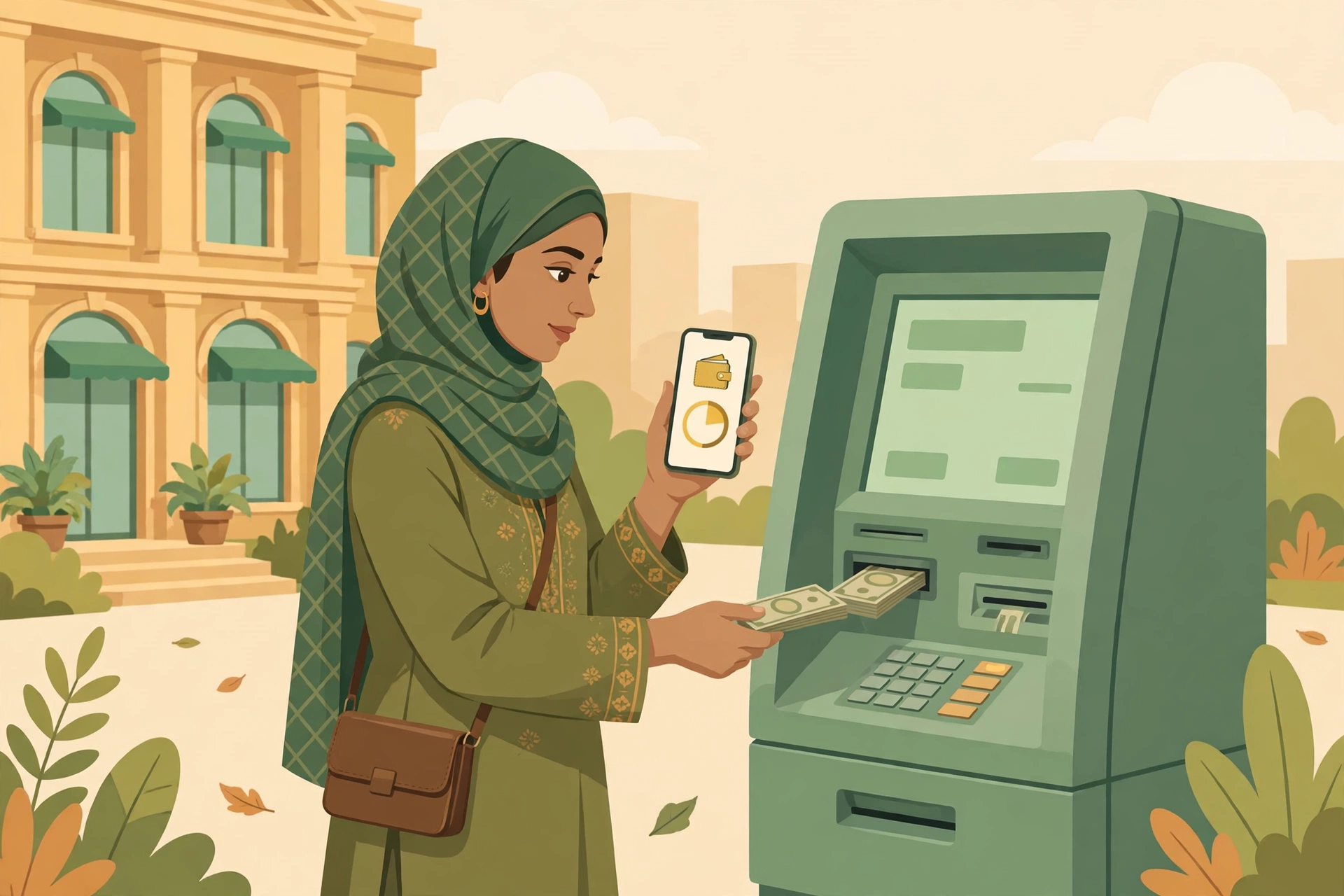
The Rs 280 Cash Withdrawal Charge
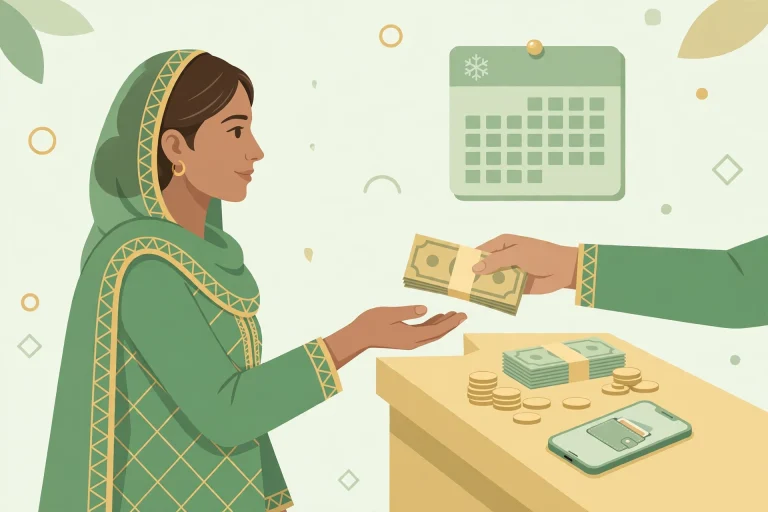
The only fixed charge reported for the BISP wallet is Rs 280 per cash withdrawal. This figure comes from BISP’s August 2026 guidance and from a State Bank of Pakistan briefing to a National Assembly committee reported in July 2026. It applies when you take cash out of your wallet at a retailer or payment point — not when you check your balance, not when you receive the payment, and not when you move money digitally. Because this charge comes from briefings rather than a published BISP fee schedule, confirm the current figure at your payment point or on the official portal before you withdraw, and keep your receipt so you can prove exactly what was deducted.
Rs 280 on a Rs 14,500 installment is just under 2 percent. It is a real cost, but it is also the only official deduction you should ever see. If a retailer takes Rs 500, Rs 1,000, or any amount above the reported charge, that extra money is not a fee — it is an illegal cut, and it should be reported.
Free Routes: RAAST and Online Transfers
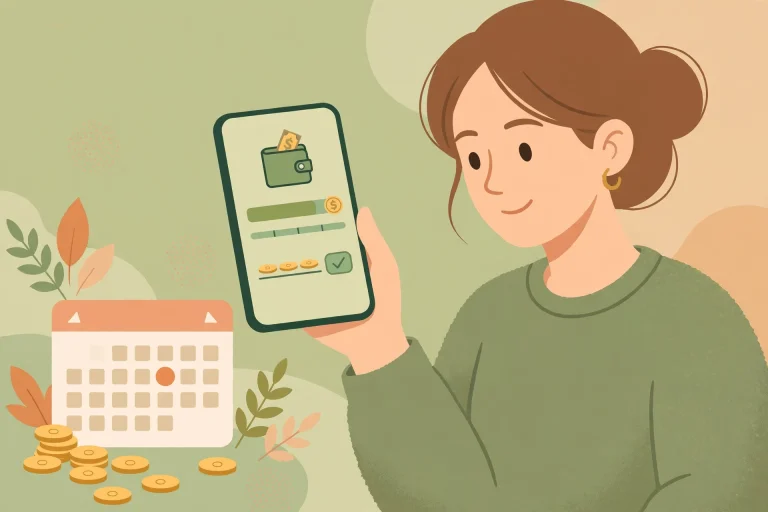
The same briefings that reported the Rs 280 cash charge also reported that online transfers and RAAST transfers from the wallet remain free. That makes a digital transfer the cheapest way to use your money: instead of withdrawing cash and paying the charge, you can transfer the installment to a bank account or another wallet without a fee, and then use the money from there. If you have a bank account of your own, or a family member’s account you trust, this route can save you the full Rs 280 every quarter.
RAAST is Pakistan’s instant payment system, run by the State Bank of Pakistan, and it works between banks and wallets using a mobile number or account number. If your wallet supports it, a RAAST transfer usually arrives within seconds. Ask at your bank or wallet provider whether your account can receive RAAST payments before you rely on this route, and never share your PIN or OTP with anyone who offers to “set up” the transfer for you.
Withdrawing from Any Partner Bank
Since the interoperability announcement reported on 20 October 2026, BISP wallet holders can withdraw at authorised retailers of six partner banks in any city — not only in their home district. Secondary reporting of the announcement names the six banks as HBL, Habib Microfinance Bank, Bank Alfalah, Telenor Microfinance Bank, the Bank of Punjab, and Mobilink (Jazz) Bank. This matters for charges in a practical way: you are no longer tied to one retailer’s network, so you can choose an authorised retailer you trust, compare what you are charged, and walk away from any shop that demands more than the reported fee.
Interoperability also means you do not have to withdraw the whole amount on the first day it arrives. The payment stays in your wallet until you choose to take it out, so you can wait for a less crowded day, withdraw in one visit instead of several, and pay the cash withdrawal charge only once instead of on repeated small withdrawals. If you withdraw Rs 14,500 in one visit, the reported charge is Rs 280 once — not Rs 280 per thousand rupees.
ATM Withdrawal Charges
Some beneficiaries withdraw through ATMs of partner banks. ATM withdrawals from the wallet follow the same principle: the reported fixed charge applies to cash withdrawals, and the amount should match what BISP guidance states. If an ATM shows a different fee on screen, read it before confirming the transaction — and if the machine deducts more than the reported charge, keep the transaction slip and report it. Never accept help from strangers standing near an ATM, and never enter your PIN while someone is watching.
Illegal Cuts: The Charge That Does Not Exist
The most expensive “charge” most beneficiaries face is not official at all. Retailers and agents sometimes deduct Rs 500 to Rs 2,000 from an installment and call it a service fee, a tax, or a processing charge. None of these exist. BISP’s only reported charge is the Rs 280 cash withdrawal fee, and BISP never asks for money, a fee, a PIN or an OTP over a call or WhatsApp message. Any other deduction is an illegal cut.
If it happens to you, keep the payment receipt and note the retailer’s name, location, date and the exact amount deducted. Then report it through the BISP complaint channels or the toll-free helpline on 0800-26477. Complaints are free, and reporting protects other beneficiaries at the same payment point. Do not argue with the retailer on the spot if you feel unsafe — take the receipt, leave, and report it afterwards.
How to Withdraw Without Paying Extra
Follow these steps every quarter and you will keep the maximum amount of your installment. First, check your 8171 status before travelling, so you only go when the payment is actually ready. Second, decide your route before you leave: a free RAAST or online transfer if you can use one, or a single cash withdrawal at an authorised retailer if you need cash. Third, count your money at the counter and check the receipt against the reported Rs 280 charge — the receipt should show the full Rs 14,500 minus that charge only. Fourth, never pay anyone who promises faster payment, an earlier phase, or a “special” withdrawal service. Fifth, if your fingerprints fail at the biometric device, ask the Tehsil office about the bank-account payment route instead of paying an agent to “fix” it.
It is also worth knowing that a digitisation target of 31 December 2026 was mentioned in the State Bank briefing reported in July 2026 — complete digitalisation of BISP beneficiary accounts was scheduled for that date. Treat the date as a target, not as a proven cut-off for your SIM or wallet, and confirm any deadline on the official portal rather than through forwarded messages.
Frequently Asked Questions
Is there a fee for receiving my BISP payment?
No. Receiving the installment into your wallet is free. The reported Rs 280 charge applies only to cash withdrawals, and online and RAAST transfers are reported as free.
How much will I get if I withdraw the full Rs 14,500 in cash?
Based on the reported charge, you should receive Rs 14,220 after the Rs 280 cash withdrawal fee. If you receive less than that, the difference is an illegal cut — keep your receipt and report it.
Can I avoid the Rs 280 charge completely?
Yes, if you move the money digitally instead of withdrawing cash. A RAAST or online transfer from the wallet is reported as free, so transferring the installment to a bank account avoids the cash withdrawal charge entirely.
Does the charge change if I withdraw from another city?
No. Under interoperability, authorised retailers of the six partner banks can serve you in any city, and the reported charge is the same. You should not be asked to pay extra for withdrawing outside your home district.
Disclaimer: This is an informational article, not an official BISP website. Charges, fees and amounts can change; the Rs 280 figure is based on BISP and State Bank briefings reported in 2026, so always confirm the current charge on the official 8171 portal or the toll-free helpline 0800-26477 before withdrawing.