BISP 8171 New Card 2026 – How It Works, Who Gets It & How to Use It
What Is the BISP 8171 New Card 2026?
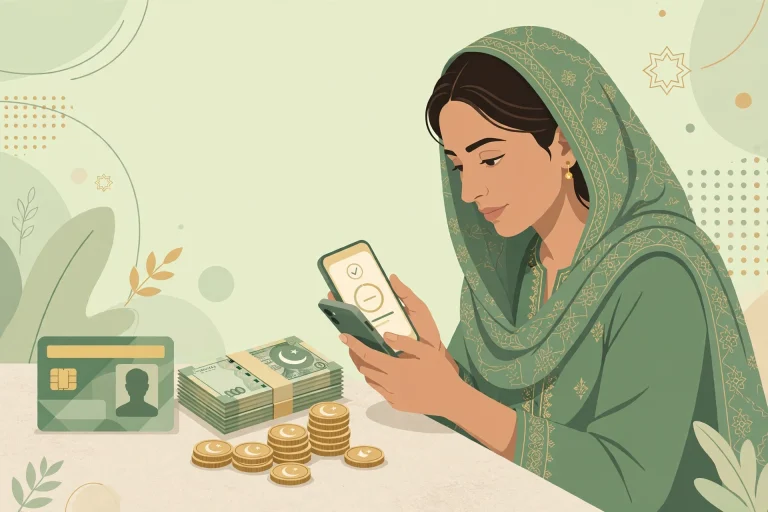
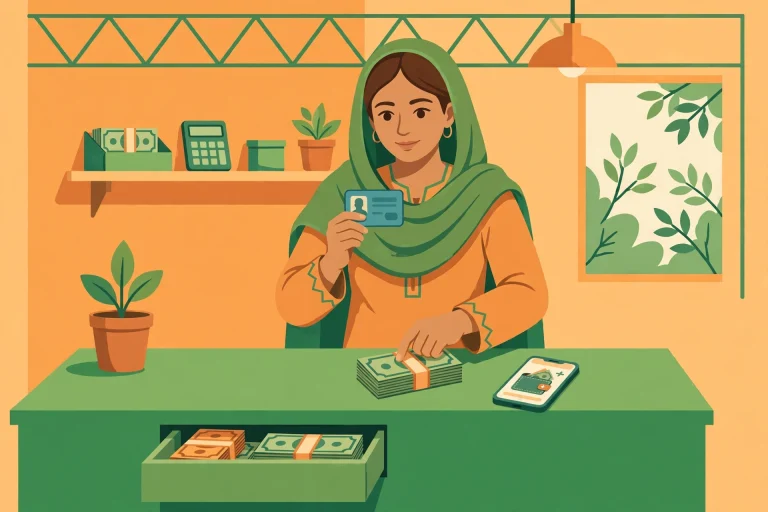
The bisp 8171 new card 2026 is the payment card that many beneficiaries now use to withdraw their Benazir Kafaalat installment from an ATM instead of waiting for a cash campsite. If you want to understand how collection works today, first read our guide on collecting your payment from a partner bank retailer, because the card, the retailer network and the ATM network are all parts of the same new payment system.
Check Now on the Official 8171 Portal
Before anything else, one important clarification: BISP has not announced a separate online application form for a “new card” that you fill in on a website, and no genuine BISP service charges a fee for a card. What is genuinely changing is how payments reach you. BISP is moving Kafaalat payments into the banking system through digital wallets and bank accounts held with its partner banks, and a card linked to that account is how many beneficiaries withdraw cash at ATMs. Anyone who offers to “make” you a new card for a fee, or asks for your PIN or one-time code, is not acting for BISP.
The current Benazir Kafaalat installment is Rs 14,500 per quarter for the October to December 2026 quarter. Reports of a rise to Rs 18,000 relate to January 2027, not to November 2026, so do not let anyone convince you that a card or a fee will “unlock” a higher amount this month. Always confirm your own payment status on the official 8171 portal or by sending your CNIC to 8171 before you travel to collect money.
How the BISP 8171 New Card 2026 Works
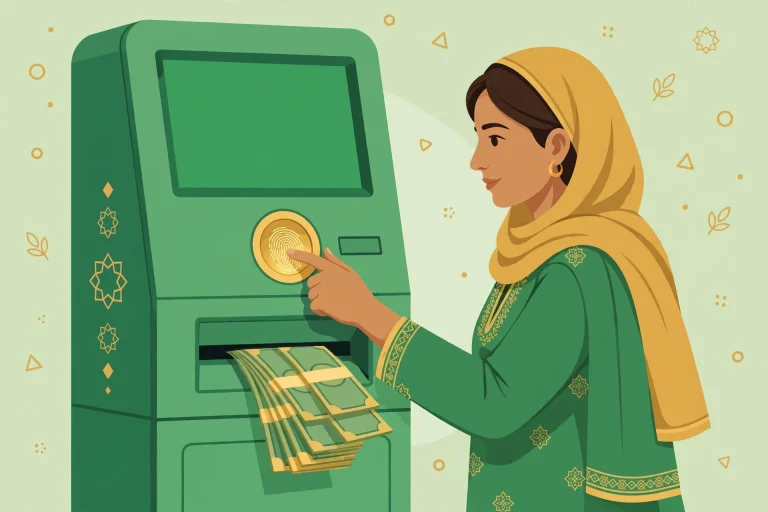
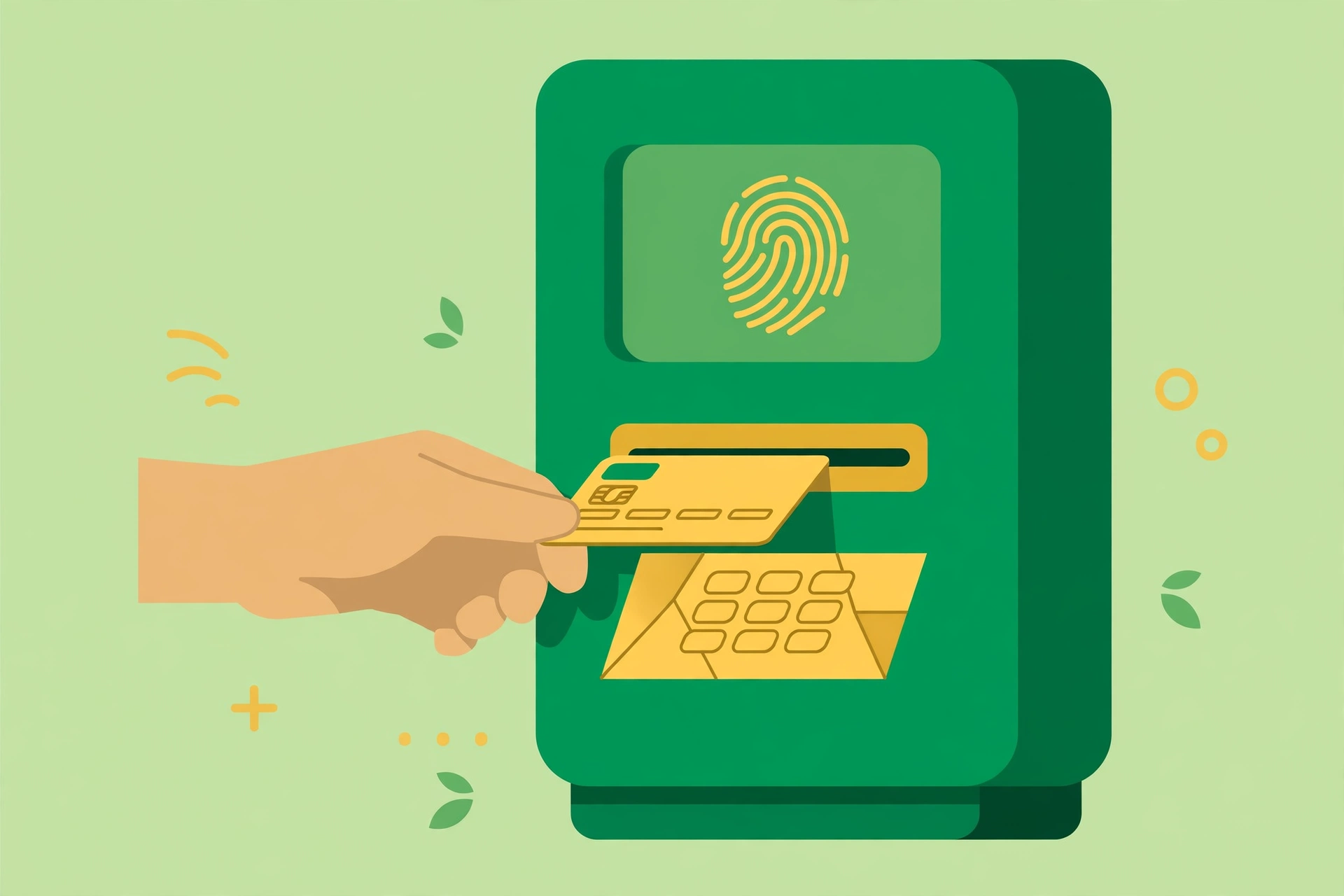
Think of the card as a key to an account, not as money itself. When BISP releases your quarterly installment, the amount is credited to the beneficiary’s account or wallet with a partner bank. The card lets the beneficiary woman withdraw that amount at an ATM or an authorised retailer point after biometric thumb verification. The card does not create eligibility: only a household that is already registered in the NSER survey and falls within the PMT score cut-off can receive payments.
BISP’s partner banks for the new payment system include HBL, Bank Alfalah, Bank of Punjab, Mobilink Microfinance Bank, Telenor Microfinance Bank and Habib Microfinance Bank. Under the one-link interoperability reported in October 2026, a beneficiary can withdraw at an authorised retailer of any of these six partner banks, in any city, on any day. That is a real improvement over the old system, where you could only collect at one assigned campsite on one assigned day.
Who Gets the Card?
The card is issued to the beneficiary woman of an eligible household, because Kafaalat payments are made in the name of the ever-married woman of the household who holds a valid CNIC. You do not need to apply separately if you are already an active beneficiary: distribution happens through the partner banks and BISP offices as accounts are opened and wallets are activated. If you are not yet registered, the route is the free NSER dynamic survey at a BISP tehsil office, not a paid card form.
Priority groups remain the same as for Kafaalat itself: widows, divorced women, elderly women, disabled persons and low-income households with no government employee, no large property and no luxury vehicle. If your household details have changed — a new CNIC, a marriage, a death in the family or a change of address — update them through the tehsil office, because the card and the account are linked to the CNIC record.
How to Use the Card at an ATM, Step by Step
First, check your status on the official portal so you know the installment has actually been released for your district phase. Payments release phase-wise across districts, so a neighbour receiving money does not mean your installment is ready on the same day. Then take your original CNIC and your card to an ATM of a partner bank.
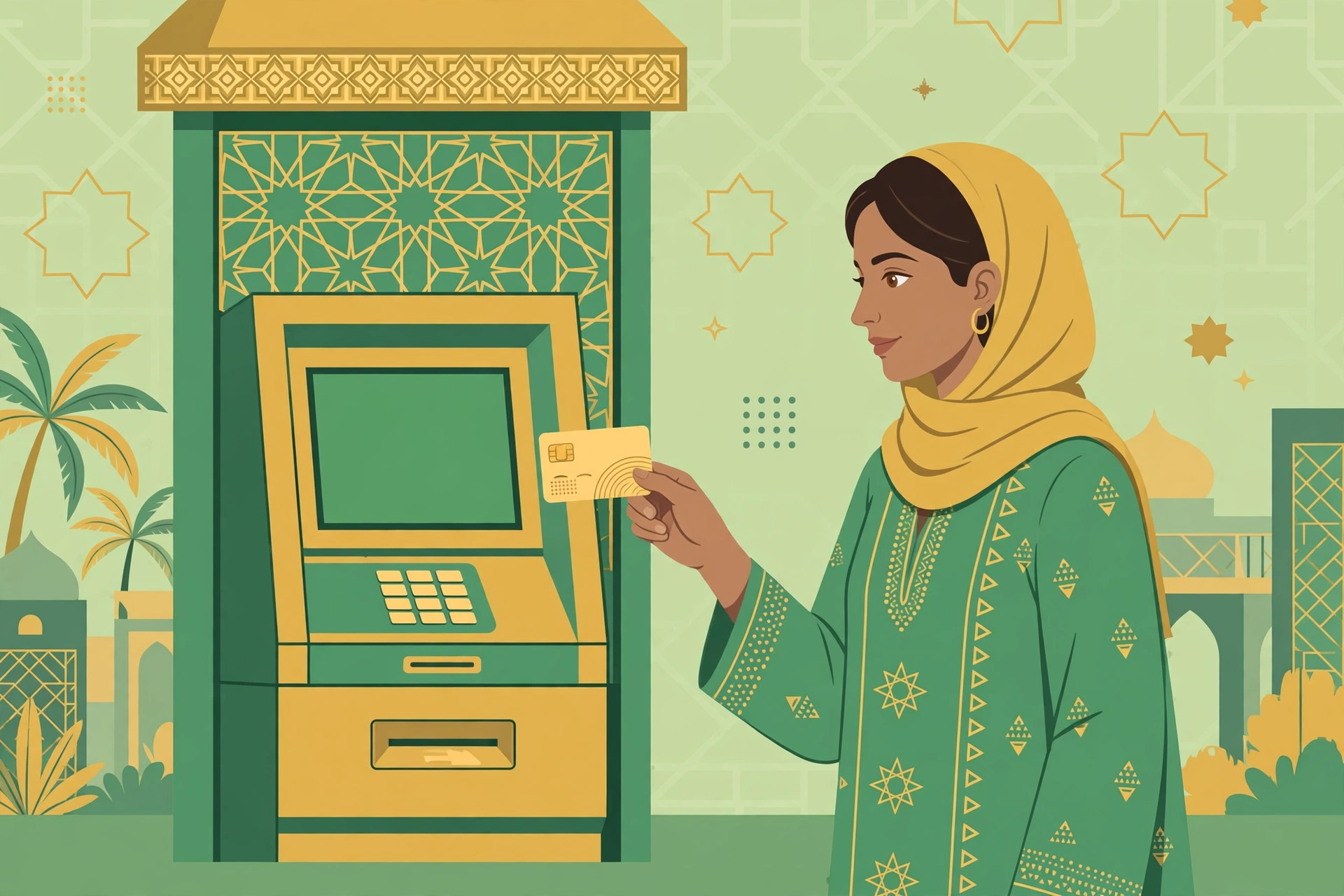
Insert the card, enter your PIN privately, and complete the biometric thumb verification when the machine asks for it. Never share your PIN with an agent, a shopkeeper or anyone who offers to “help” for a cut of your money. If your fingerprint fails, try another finger, make sure your hands are clean and dry, and if it keeps failing, visit NADRA to update your fingerprints and then the BISP tehsil office. Count your cash at the machine, take the receipt, and keep it until you have checked that the full Rs 14,500 was paid.
Card Lost, Stolen or Blocked? What to Do
If your card is lost or stolen, report it to the issuing bank immediately so it can be blocked, and then visit your BISP tehsil office with your original CNIC to ask about a replacement. Do not accept a “replacement card” from an agent in the street. If the ATM keeps your card, note the bank name, branch and time, and report it to that bank’s branch before leaving the area.
If the card is blocked after wrong PIN attempts, do not keep guessing. Contact the issuing bank or visit its branch with your CNIC. Repeated wrong attempts can lock the card for your own protection, and only the bank can reset it. Keep your card away from magnets, heat and scratches, and never write your PIN on the card or on a paper kept with it.
Fees, Deductions and Scams to Avoid
The card itself is issued free to eligible beneficiaries, and BISP never asks for a fee, a PIN or a one-time password by phone or SMS. The State Bank’s fixed Rs 280 cash-withdrawal charge has been reported for some bank withdrawals, while online transfers and RAAST transfers remain free — but if anyone at a retailer or ATM demands an extra cut from your Rs 14,500, that is an illegal deduction. Report it on the free BISP helpline 0800-26477 or through the BISP complaint system, and keep your receipt as proof.
Watch out for these common frauds: SMS messages from numbers other than 8171 claiming your card is blocked or your payment is ready; callers asking for your CNIC photo and PIN to “activate” a card; and social media pages selling “BISP new cards” for Rs 500 or Rs 1,000. Genuine messages about BISP come only from 8171, and genuine help is free at the tehsil office and on the helpline.
Frequently Asked Questions
Do I need to apply online for the card? No. There is no genuine separate online card form. Eligible beneficiaries receive the card through the partner bank and BISP distribution process after their account or wallet is set up.
Can I use the card at any ATM? Use ATMs and authorised retailers of BISP’s partner banks. Interoperability means you are not tied to one bank’s retailer, but a random private ATM may not support biometric verification for BISP payments.
What if I never received a card? Check your payment status on the official portal first. If your installment is released but you have no card, visit your BISP tehsil office with your original CNIC and ask which partner bank holds your account.
Will the card give me Rs 18,000 in November 2026? No. The October to December 2026 quarter pays Rs 14,500. The reported increase to Rs 18,000 applies from January 2027. Confirm any change on the official portal before believing a forwarded message.
Disclaimer: This is an independent information website and is not the official BISP website. For verified information about your own payment, always use the official 8171 portal, send your CNIC to 8171, or call the free helpline 0800-26477.