Benazir Aghosh Program 2026 – Pregnancy & Child Health Support, Eligibility & Registration
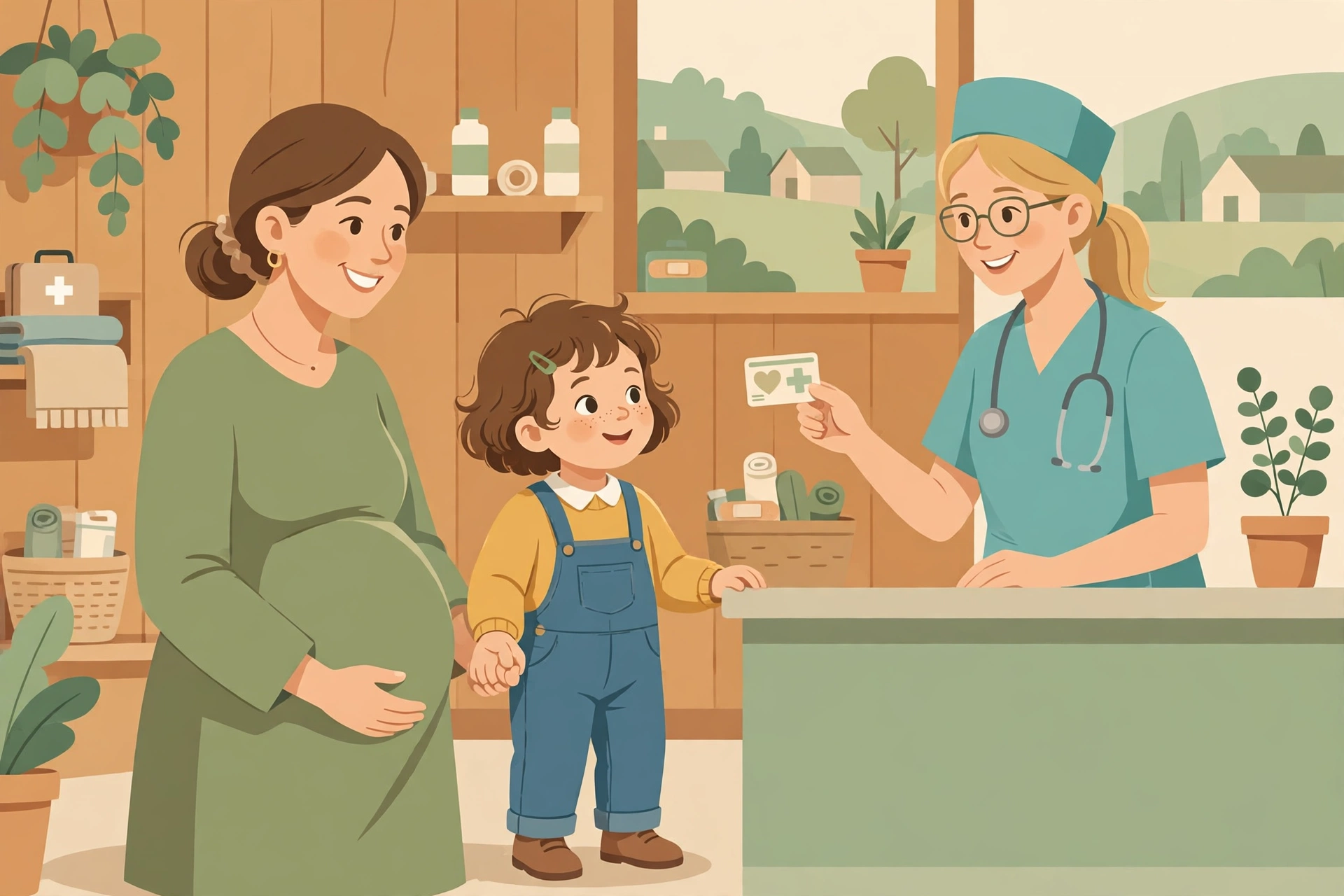
The benazir aghosh program 2026 is BISP’s support programme for pregnant women, breastfeeding mothers and very young children, designed to help families afford the health checkups, nutrition and immunisations that protect a child’s earliest years. If you are already a BISP beneficiary, or you are expecting a child and your household is registered with BISP, this guide explains who the programme covers, how enrolment works, and what health visits are linked to the support. For a related child-focused programme, see our guide to the Benazir Nashonuma Program, which supports child nutrition in a similar way.
Check Now on the Official 8171 Portal
Aghosh — the word means “lap” or “embrace” — reflects the programme’s idea: a mother and her baby should be supported together, from pregnancy through the child’s early years. The benazir aghosh program 2026 works through health facilities and BISP’s own registration system: eligible women enrol, attend scheduled health visits, and receive conditional cash support tied to those visits. Exact amounts and visit schedules can vary by province and by phase of the rollout, so always confirm the current details at your nearest BISP office or health facility rather than relying on a forwarded message.

Who Can Join the Benazir Aghosh Program 2026?
The programme is aimed at women from low-income households who are already part of BISP’s safety net, particularly pregnant women and mothers of children under two years of age. Because Aghosh is a conditional programme, enrolment is linked to your BISP household record: your CNIC, your household survey data and your health facility registration all need to match. If your household is not yet registered with BISP, start with the Benazir Registration Desk at your Tehsil office — programme staff there can tell you whether Aghosh enrolment is open in your district, since rollout happens in phases and not every district opens at the same time.
How the Benazir Aghosh Program 2026 Works
Once enrolled, a mother follows a schedule of health visits: antenatal checkups during pregnancy, a safe, facility-based delivery where available, postnatal checkups after birth, and the child’s immunisation and growth-monitoring visits. Each completed step is recorded at the health facility, and the conditional support is linked to that record. This design is deliberate — the money helps with transport, food and other costs of attending, while the visits themselves protect the mother and child. Keep every health card, slip and record the facility gives you; they are your proof of attendance if any payment question arises later.
Aghosh and Other BISP Programmes: How They Fit Together
Aghosh does not replace your regular Benazir Kafaalat installment of Rs 14,500 per quarter. It sits alongside it, just as Taleemi Wazaif supports school-going children and Nashonuma supports child nutrition. A household can therefore receive more than one type of support at the same time, provided each programme’s own conditions are met. That is also why household data is sometimes cross-checked between programmes before a payment is released — the systems are linked, and a mismatch in one record can slow down another payment. Keeping your CNIC, mobile number and household details up to date across all of them avoids most such delays.
How to Enrol: Step by Step
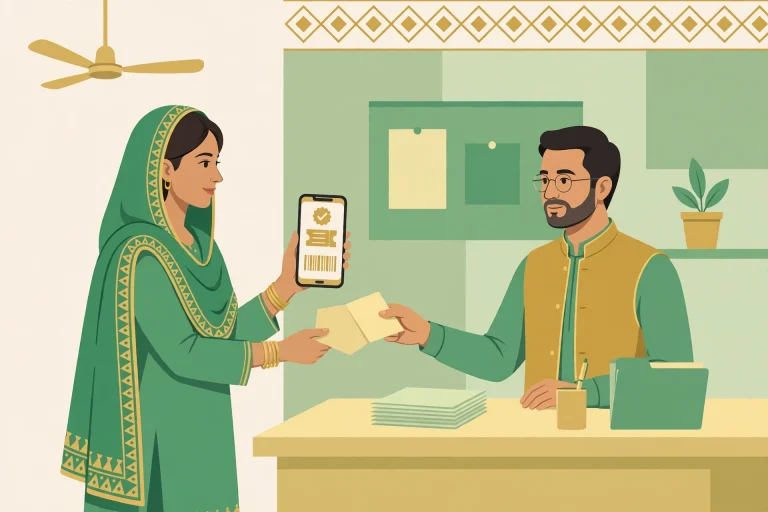
First, confirm your BISP eligibility: send your 13-digit CNIC without dashes to 8171 by SMS, or check on the official 8171 web portal — both are free. Second, visit your nearest BISP Tehsil office or designated health facility with your original CNIC and ask whether Aghosh enrolment is open in your district. Third, complete the enrolment form with the facility’s help and keep a copy or photograph of any receipt. Fourth, follow the visit schedule the facility gives you, and bring your health card to every appointment. Fifth, if a scheduled support payment does not arrive, ask at the facility first whether your visit was recorded, and then at the Tehsil office — a missing record is the most common, and most fixable, cause.
Documents You May Need
Carry your original CNIC, your BISP registration details, and your maternal and child health card or booklet. If you have recently moved, married or had a child, update your NADRA record first so that your BISP household data matches — mismatched records are a frequent reason for enrolment or payment problems across all BISP programmes. Never hand your original documents to an unofficial agent, and never pay anyone for enrolment: BISP registration and programme enrolment are free.
Common Problems and Fixes
If the facility says you are not enrolled but the Tehsil office says you are, ask both to check the same CNIC number — a single digit error can split a record in two. If your visit was attended but not recorded, return to the facility with your health card and ask for the entry to be corrected. If your district’s enrolment has not opened yet, there is no shortcut: wait for the local announcement and do not trust anyone selling “early registration”. And if anyone contacts you by call or WhatsApp asking for a fee or OTP to activate Aghosh support, it is fraud — report it on the toll-free helpline 0800-26477.
One more practical point about the benazir aghosh program 2026: because the support is conditional, a missed visit can delay the linked payment even when your Kafaalat installment arrives on time. If you cannot attend a scheduled visit — because of illness, travel or a family emergency — inform the facility as soon as you can and ask when the visit can be rescheduled, rather than simply skipping it. Mothers who keep their visit record complete and up to date face the fewest payment questions, and facility staff can usually rearrange an appointment without penalty. If you move to another district, ask both your old and new facilities how your benazir aghosh program 2026 record transfers, so that your attendance history is not lost in the move.
Why Early Health Visits Matter
The first thousand days — from pregnancy to a child’s second birthday — shape health for life. Regular antenatal checkups catch risks early, facility-based delivery is safer for mother and baby, and on-time immunisation protects against diseases that still harm children in Pakistan. Aghosh’s conditional design exists to make those visits affordable: the support offsets the real costs families face, from transport to a day away from work. Even if you are unsure about enrolment, attending the health visits themselves is always worthwhile — ask the facility staff about your options while you are there.
Frequently Asked Questions
Is the Aghosh programme available in every district?
No — rollout is phased, so availability differs by district. Confirm at your Tehsil office or health facility whether enrolment is open where you live.
Does Aghosh replace my Kafaalat payment?
No. It is an additional, conditional support for mothers and young children, separate from the quarterly Kafaalat installment.
How do I check my Aghosh status?
Start with your 8171 eligibility check, then confirm enrolment and visit records at your health facility and Tehsil office. There is no separate public online Aghosh status portal announced by BISP.
Disclaimer: This is an informational article, not an official BISP website. Programme availability, amounts and visit schedules vary by district and phase; always confirm current details at your nearest BISP office or health facility, or on the toll-free helpline 0800-26477.